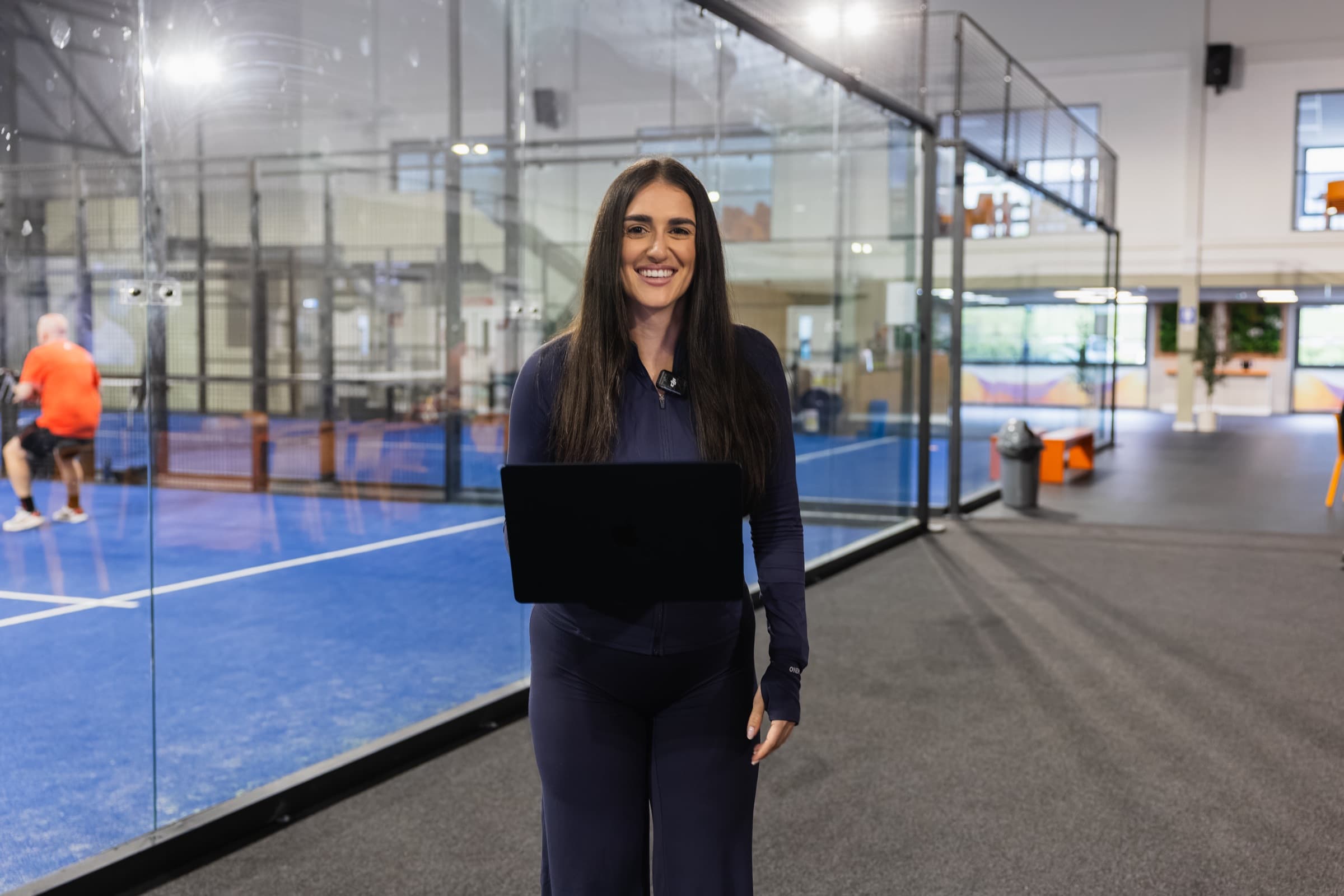
Key Takeaways
- Padel is doubles by design - every court you walk onto is a group activity by default.
- The walls smooth gaps between players, so mixed standards, ages and personalities can genuinely share a match.
- Sociable sports compound - one match becomes a group chat, a group chat becomes a weekly booking, a weekly booking becomes a community.
- Padel is not scaling because it is a better racket sport, but because it is a better social format - and in 2026 that matters more than ever.
There are a lot of sports in the world. Very few are this reliably social. Padel did not set out to be a social phenomenon — but the way the game is built, it is almost impossible for it not to be.
Sociable by design, not accident
Padel is doubles. That is not a variant of the sport — that is the sport. Every game you play is with three other people. Every court you walk onto is a group activity. You could not remove the social layer if you tried.
Compare that to tennis (where singles is the default), squash (individual), or running (alone). The design of padel is the design of a group experience first, and a sport second. That ordering is rare, and it explains a lot.
The core idea: Padel combines competition and connection in one experience. Most sports make you pick one.
Why it bridges different people
Some racket sports are brutal when you mismatch levels. A strong tennis player and a new one will find the match unplayable. Padel is different. The walls keep points alive for longer, the doubles format spreads the load, and a decent player can genuinely carry a beginner without the game feeling broken. That means mixed groups actually work.
Why social sport is growing
Padel''s rise coincides with a broader shift in how people want to spend time. Modern life has more isolation than any previous generation — remote work, fewer shared workplaces, fewer casual meeting points. People are actively looking for healthier, social ways to reconnect, and the data keeps confirming it.
Padel sits perfectly inside that shift. It is active, face-to-face, unhurried and easy to commit to. It is what people want, at the moment they want it. That is why the growth curve is steep.
The compounding effect
Sociable sports compound. One match becomes a group chat. A group chat becomes a weekly booking. A weekly booking becomes a league. A league becomes a friendship circle that would otherwise never have formed. The sport generates its own community — and the community pulls new players in.
That self-compounding layer is the most underrated part of padel''s growth. It is not just that people try it and like it. It is that they introduce it to their friends, and their friends introduce it to theirs, and what started as a single match spreads through social groups for months.
Why it matters for the category
Padel is not scaling in Britain because it is a better sport than tennis or squash. It is scaling because it is a better social format — and in 2026, that matters more than it ever has.
Sport used to be something you did alone or competitively. Increasingly it is something you do as part of your social life. Padel is where those two threads finally meet.
- Why Padel Fits Modern Life Better Than Most Sports →Why a doubles-only, mixed-ability, 90-minute format is landing harder than any racket sport.
- Doubles Communication: The Most Underrated Skill in Padel →How to talk well with your partner - the calls, the rhythm and the habits that win more points.
- Why Schools, Universities and Clubs Should Take Padel Seriously →Why padel solves participation, inclusion and engagement problems for institutions.
Tags
More in Culture
 Culture
22 April 2026
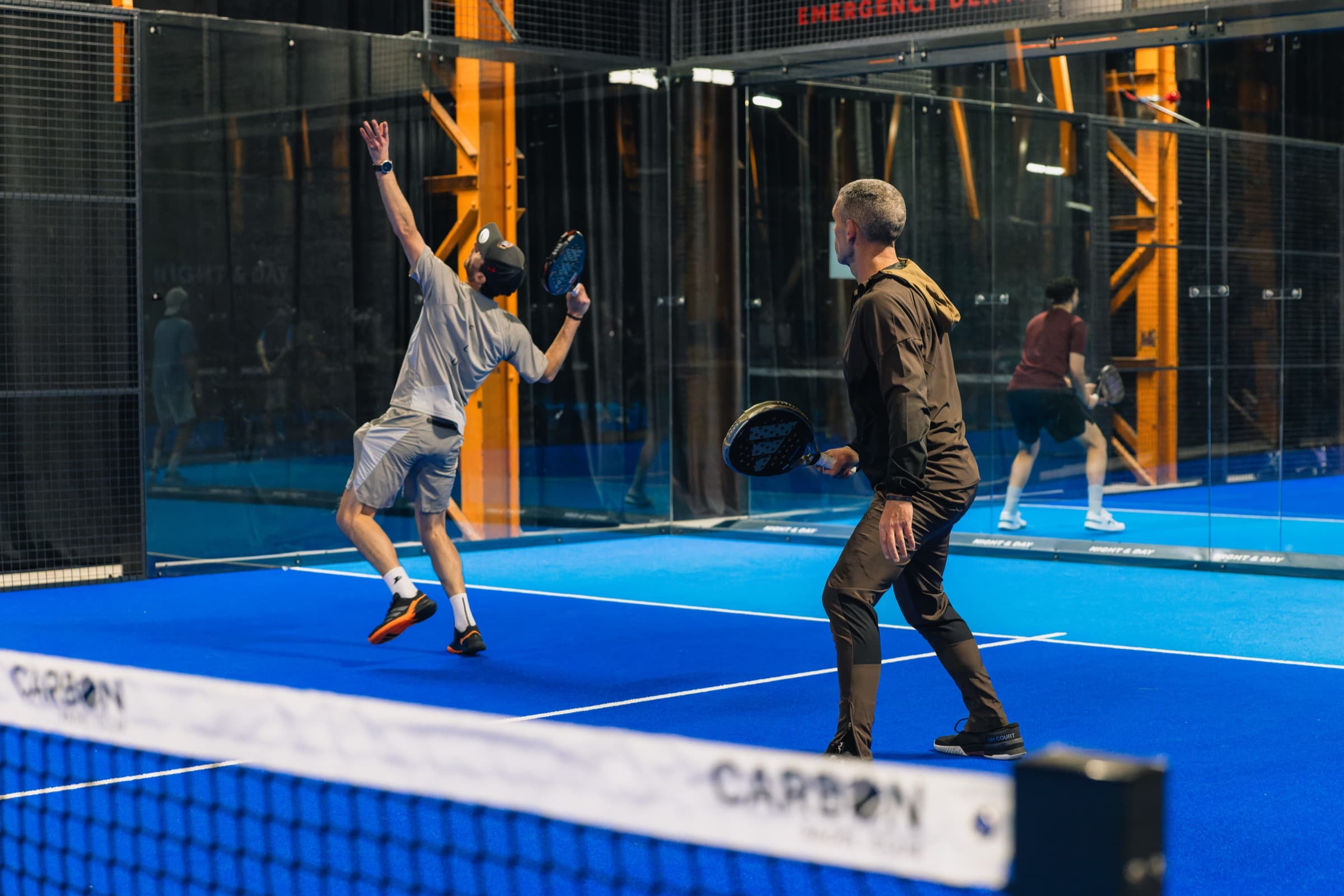
The Rise of Padel: From Spain to the Streets of Britain
Padel was born in Mexico, popularised in Spain, and is now capturing the hearts of British players. The story of how the sport spread to the UK.
 Culture
17 April 2026
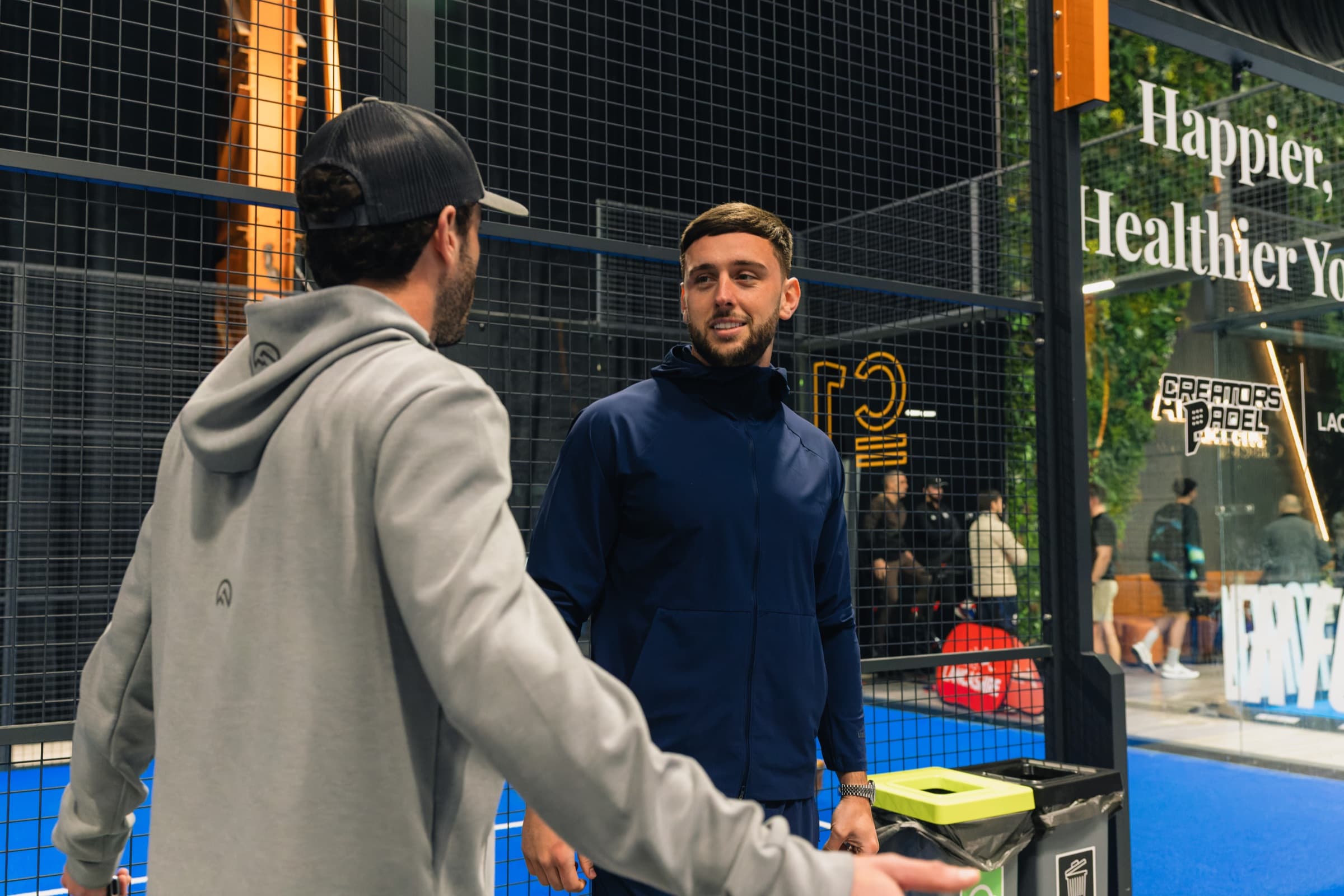
Why Padel Fits Modern Life Better Than Most Sports
Tennis needs two hours. Squash needs a matched partner. Padel needs 90 minutes and four friends. Here is why the format is landing so hard right now.
Stay In The Game
Be the first to hear about new coaching programmes, events and everything happening at Absolute Padel.