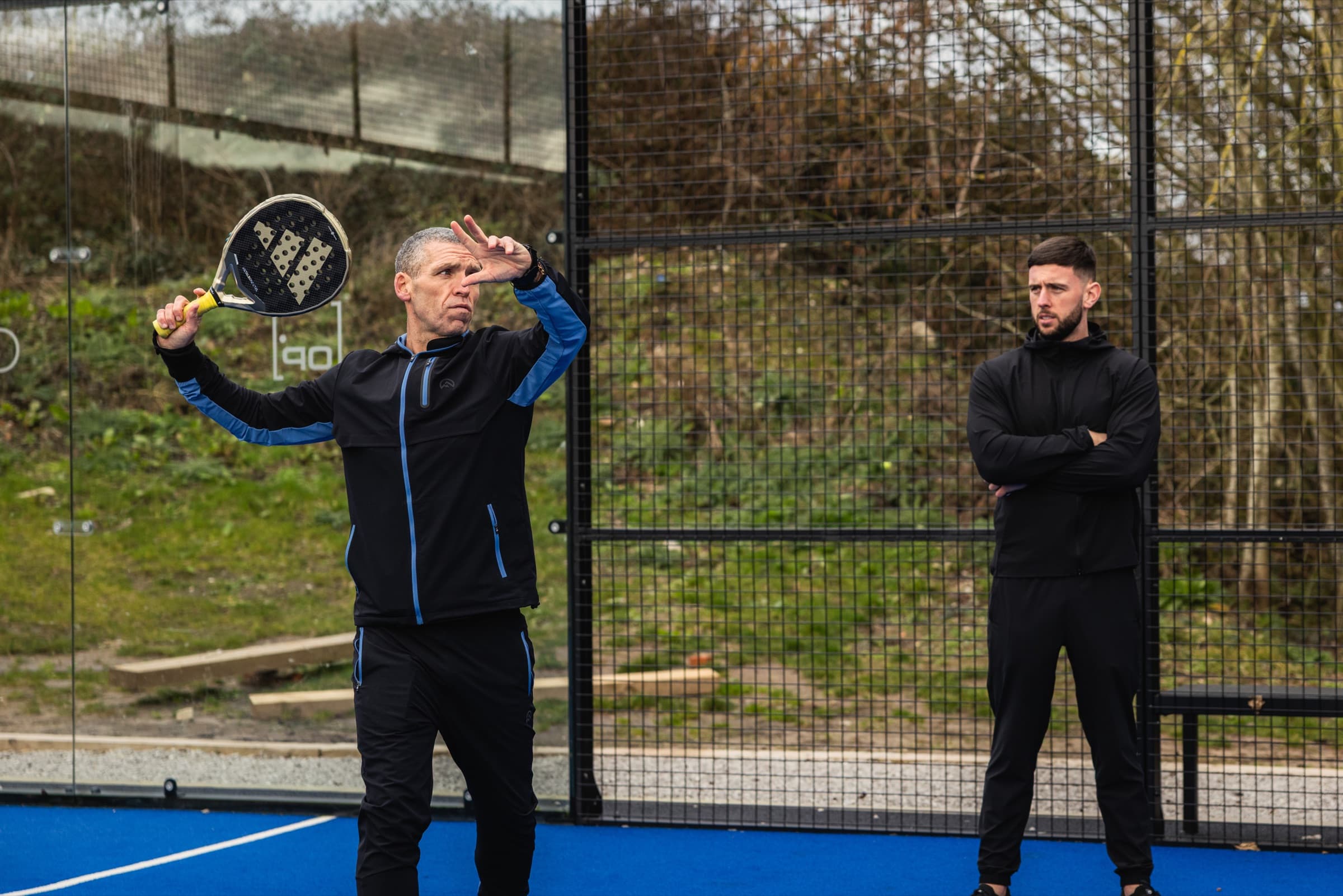
Key Takeaways
- Padel is a tactical sport first and a technical sport second - decision-making is the most underdeveloped layer in most players.
- The four layers of good coaching are decision-making, positioning, technique and composure - in that order.
- Drill-only coaching builds shot consistency but never exposes players to the chaos and decisions of real matches.
- Match-first coaching starts with the situations you actually face and works backwards into the technique that supports them.
Most people assume coaching means being taught shots. In most racket sports, that is broadly what happens. A coach feeds you balls, corrects your technique, and hopes the rest works itself out. Padel asks for more than that, and the best coaching reflects it.
Why technique alone does not hold up
Padel is a tactical sport first and a technical sport second. The fundamental difficulty is not hitting the ball — it is knowing what to do with it. Where to stand. When to attack. When to reset. When to play soft. When to wait. You can have a beautiful forehand and still lose every match.
The gap: Most coaching trains the shot. Good coaching trains the decision. Great coaching trains both, in that order.
The four layers of good coaching
What drill-only coaching misses
There is a style of coaching still common in padel — often carried over from tennis — that is entirely drill-based. Hit the same shot, from the same position, over and over. It builds consistency, but it does not build a player.
In drill-only coaching, you get great at the shot you practised. But in a real match, you rarely face that exact ball from that exact spot. You face chaos. You face half-court balls from awkward angles under time pressure. You face decisions. If your coaching never exposed you to those decisions, you will not be ready for them.
Match-first coaching
Better coaching starts with match situations and works backwards. If you struggle under pressure at the net, you train exactly that scenario. If you get lobbed over and over, you train the backward movement and the lob response. You are not drilling — you are rehearsing the problems you actually face.
This is what the Absolute Padel Academy, launching soon, is being built around. Decision-making, match situations, positioning, composure — and the technique comes in as support, not as the main event.
The long view
Great coaching does not just make you a better player at drills. It makes you a better competitor. That means improving in ways that show up in real matches, against real opponents, with real scorelines. The difference is visible over months: one player wins more, one does not. That is what good coaching is for.
- Why Most Padel Players Plateau (And How to Break Through) →Plateaus are decision problems, not technique problems. The three plateaus and how to break through.
- Why the Lob Matters More Than the Smash →A worked example of a decision-led shot that wins more points than the highlight-reel one.
- The Mental Side of Padel: Staying Composed Under Pressure →Why most players lose tight matches in their heads, and what composure actually looks like.
Tags
More in Coaching
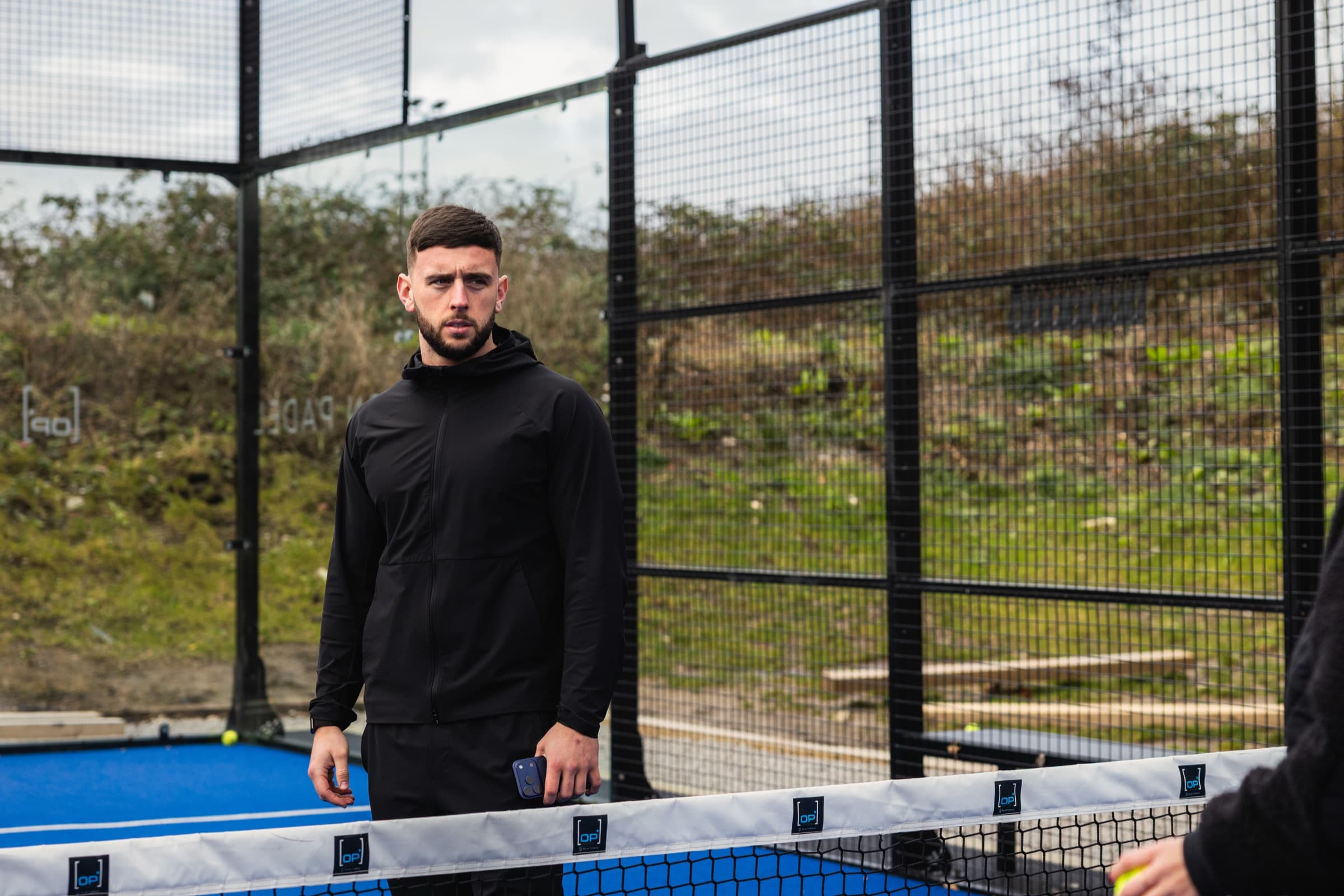 Coaching
22 April 2026
Foundation Course: Everything You Need to Start Playing Padel
The Absolute Padel Foundation Course breaks down the basics step by step. The five things every new player needs in their first ten games of padel.
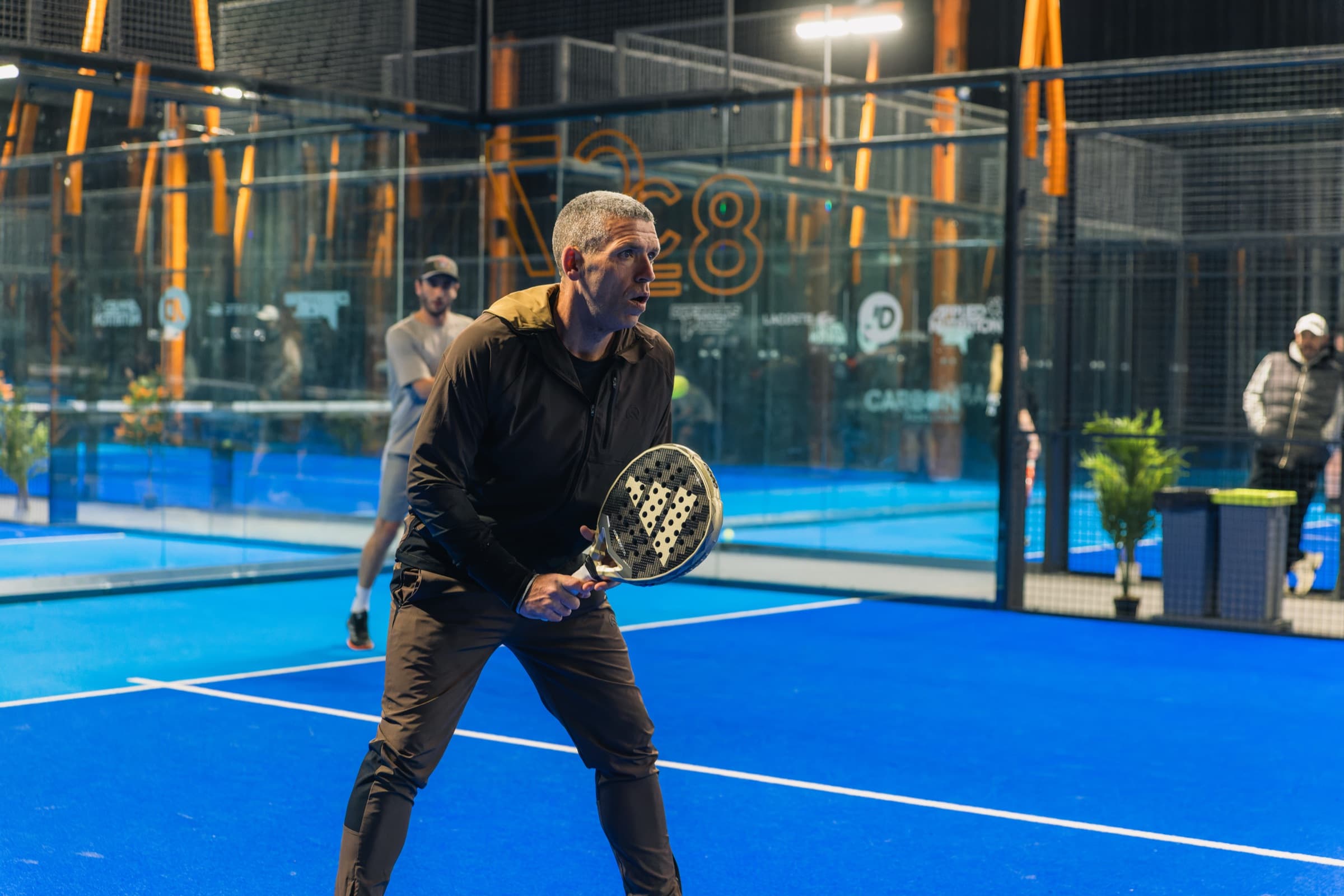 Coaching
17 April 2026
What Most Beginner Padel Players Get Wrong
The first few months of padel shape your game for years. Here are the five biggest mistakes beginners make — and what to do instead.
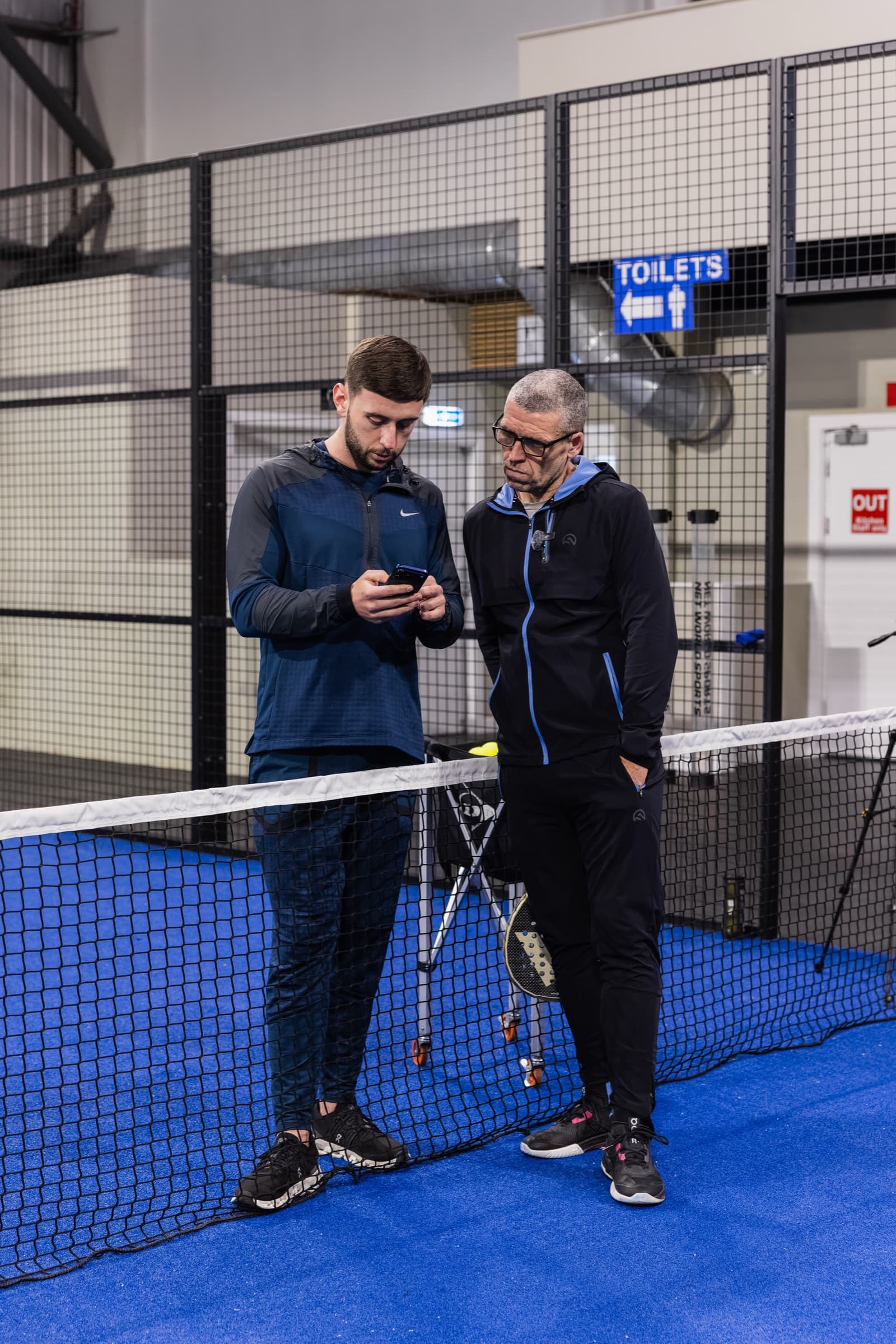 Coaching
16 April 2026
Why Most Padel Players Plateau (And How to Break Through)
The plateau is the most common stage in padel, and it is almost never caused by bad technique. Here is what to work on instead.
Stay In The Game
Be the first to hear about new coaching programmes, events and everything happening at Absolute Padel.